
Bella Leigh Jewelry: Lab-Grown vs. Natural Diamonds, Explained in Encino
By Calabasas Lifestyle
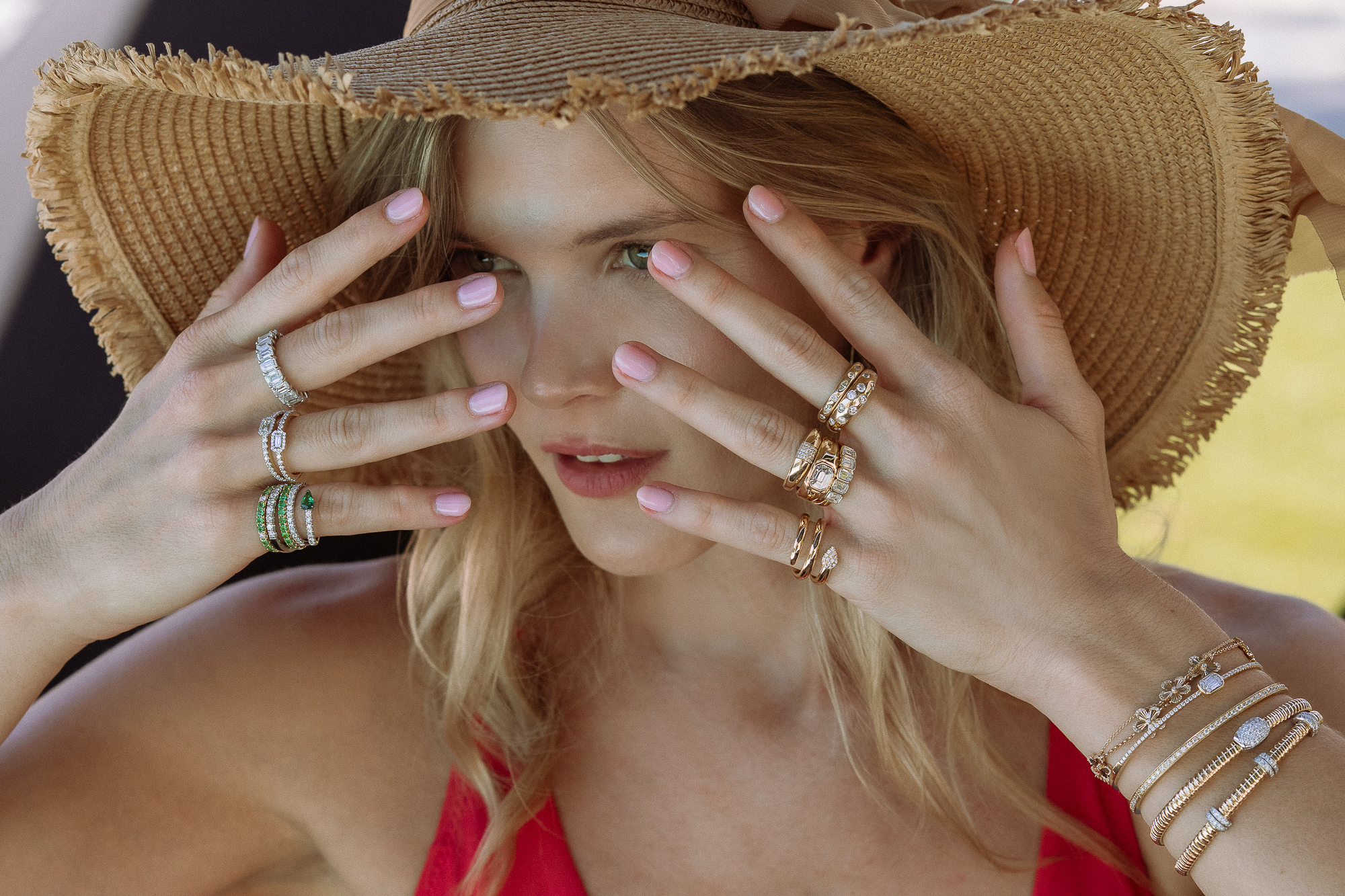
It comes up at nearly every engagement ring appointment now. A couple sits down, looks at two beautiful stones, and asks the question that would have sounded strange ten years ago: should we go lab-grown or natural?
The honest answer is that there is no wrong one. But there is a right one for you, and understanding the real differences - beyond the headlines and the price tags - is where a good jeweler earns their keep. Tracey Shindler, the founder of Bella Leigh Jewelry, a private concierge jeweler in Encino, has spent more than thirty years in fine jewelry guiding clients through decisions exactly like this one. Here is the guide she would want every client to read first.
First, the Most Important Thing to Know: Both Are Real Diamonds
This surprises people. A lab-grown diamond is not a fake, and it is not a simulant. Cubic zirconia and moissanite are simulants: they sparkle, but they are unrelated to diamond at the atomic level.
A lab-grown diamond is diamond. According to the Gemological Institute of America (GIA), it has essentially the same chemical, physical, and optical properties as a natural diamond: the same crystal structure of tightly bonded carbon atoms, the same hardness, the same fire and brilliance. The Federal Trade Commission agrees. In 2018, the FTC updated its Jewelry Guides and removed the word "natural" from its official definition of a diamond, because a diamond grown in a laboratory is, chemically, a diamond.
The only real difference is origin. One formed in the earth. One formed in a lab. And one rule protects you either way: sellers are required to clearly disclose which one they are selling.

Two Very Different Beginnings
A natural diamond is old in a way that is hard to wrap your head around. It formed deep within the earth under extreme pressure and heat as long as three billion years ago, then volcanic activity carried it toward the surface, where it waited inside a rock formation called a kimberlite pipe to be discovered and mined. Only about five percent of kimberlite pipes contain enough diamond to make mining worthwhile.
A lab-grown diamond skips the wait. Scientists first produced diamonds in a laboratory in the 1950s, created the first gem-quality stones in the 1970s, and brought colorless lab-grown diamonds to the jewelry market in meaningful quantities only in the mid-2010s. Today there are two methods. HPHT (high pressure, high temperature) recreates the conditions that form diamonds in the earth. CVD (chemical vapor deposition) breaks down a carbon-rich gas so that carbon settles onto a diamond seed, layer by layer. Either way, most stones grow in a matter of weeks.
Same material. Very different timelines.
Can Anyone Actually Tell Them Apart?
Not by looking. Not you, not your friend with the good eye, and not even a jeweler with a loupe, at least not reliably. Because the two are essentially identical chemically and optically, GIA says old-style diamond testers cannot separate them either.
What can tell them apart is a professional gemological laboratory. GIA tests every diamond submitted to its labs to determine whether it is natural or laboratory-grown, using advanced instruments that read the subtle growth patterns left behind by those two very different beginnings. Lab-grown diamonds receive their own clearly labeled grading reports. So while no one can see the difference across a dinner table, the difference is always documented, and always disclosed on the paperwork that matters.
The Price Conversation
Here is the difference you will notice. Lab-grown diamonds come in at a reduced price point compared with natural diamonds of similar size and quality, which means a budget can often reach further: a larger stone, a higher color grade, or both. Because laboratories can keep growing them, supply can scale with demand.
Natural diamonds sit at the other end of that equation. They are finite, mined, and each one is a one-of-a-kind product of a process that began before life on land existed. For many buyers, that rarity and that story are the point.
Neither is a purchase to make on price alone, which is exactly why the next section matters.
So Which One Is Right for You?
Ask yourself what you want the stone to say. If the goal is the most size and brilliance for your budget, lab-grown deserves a serious look. If the goal is rarity - a stone formed over billions of years and recovered from the earth - natural is the only thing that delivers it. Some couples weigh tradition, some weigh value, and many land somewhere personal in between.
What matters most is that you buy with clear information and clear disclosure, from someone whose job is to educate rather than pressure.
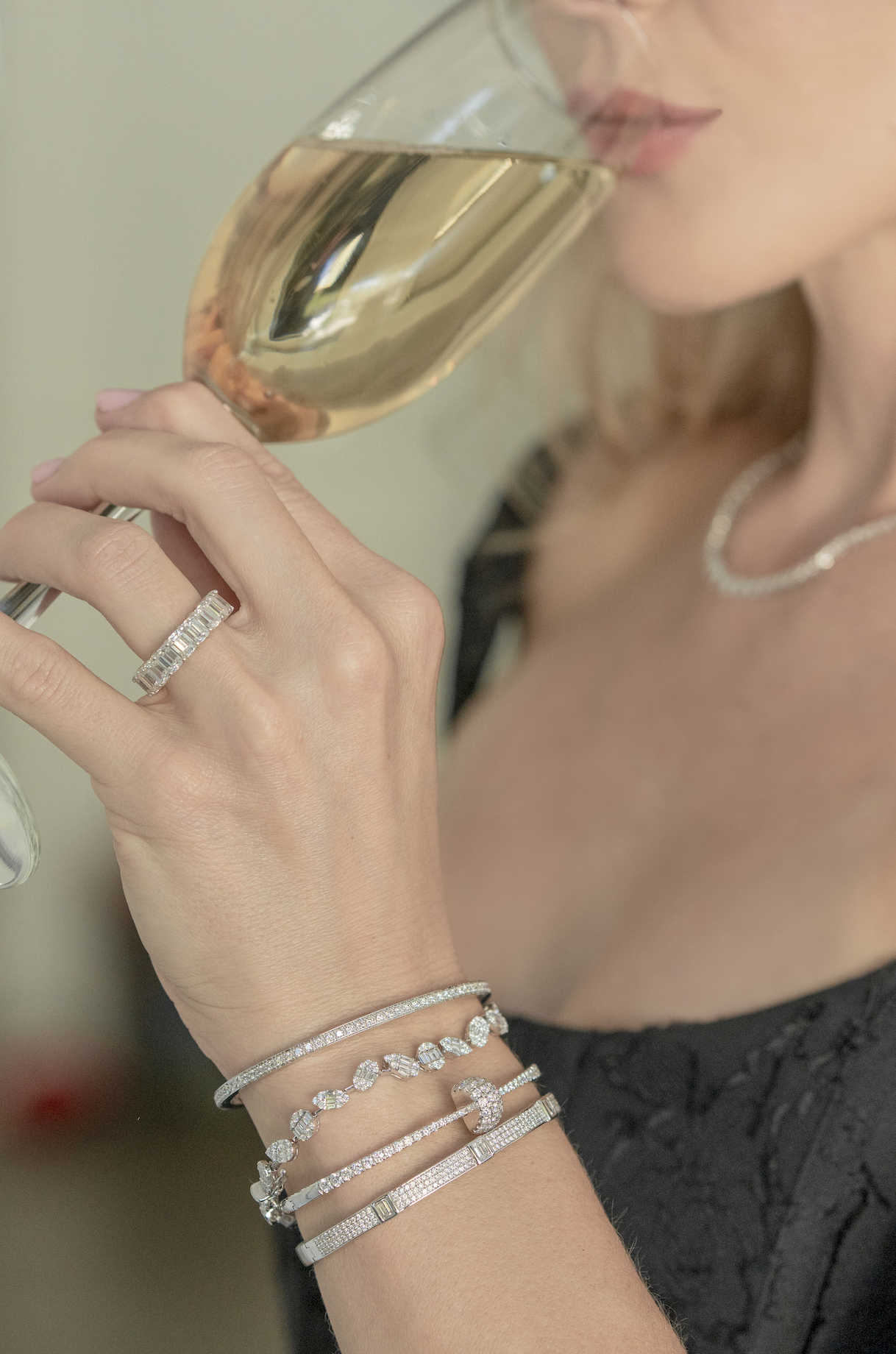
A Conversation Worth Having in Person
That is, in fact, the entire philosophy behind Bella Leigh Jewelry. Tracey Shindler built her private Encino showroom around one-on-one attention, education, and complete transparency, after three decades representing designers and sourcing diamonds through relationships most jewelers never access. Every diamond is hand-picked for the client in front of her, whether the brief is a custom engagement ring, a bridal piece, or a redesign that gives a family heirloom a second life.
Bella Leigh works by private appointment, which means your questions about lab-grown and natural diamonds get real, unhurried answers. To read Tracey's story, visit her Business Spotlight, or book an appointment through her website at bellaleigh.com.
Frequently Asked Questions
Are lab-grown diamonds real diamonds?
Yes. Lab-grown diamonds have essentially the same chemical, physical, and optical properties as natural diamonds. They are not simulants like cubic zirconia or moissanite. The only difference is where they formed.
Can you tell a lab-grown diamond from a natural diamond by looking at it?
No. Even trained professionals cannot reliably tell them apart by eye. Identification requires a gemological laboratory with advanced instruments, and lab-grown diamonds come with their own clearly labeled grading reports.
How are lab-grown diamonds made?
Two ways. HPHT mimics the high pressure and high temperature that form natural diamonds in the earth. CVD deposits carbon from a carbon-rich gas onto a diamond seed, layer by layer. Most stones grow in a few weeks.
Why do lab-grown diamonds cost less than natural diamonds?
They can be grown in weeks, and production can scale with demand. Natural diamonds are finite: they formed up to three billion years ago and are recovered through mining.
Which should I choose, lab-grown or natural?
Neither is wrong. Lab-grown offers more size and quality for the budget. Natural offers a rarity that took billions of years to create. A private jeweler can walk you through both and help you decide what matters most to you.
Website: bellaleigh.com
Read Tracey's full story: Bella Leigh Jewelry Business Spotlight
Bella Leigh Jewelry in the Calabasas Lifestyle directory
Own a local business? Learn how to become a Calabasas Lifestyle partner.
